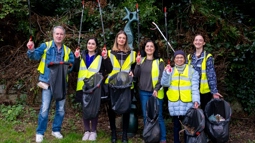
On the Rame Peninsula, residents and visitors are surrounded by stunning landscapes, yet many everyday journeys remain challenging without a car. Our latest project is about changing that. We have worked with local communities and partners to develop a sustainable transport network plan that makes walking, wheeling and cycling easier, safer and more accessible for everyone.
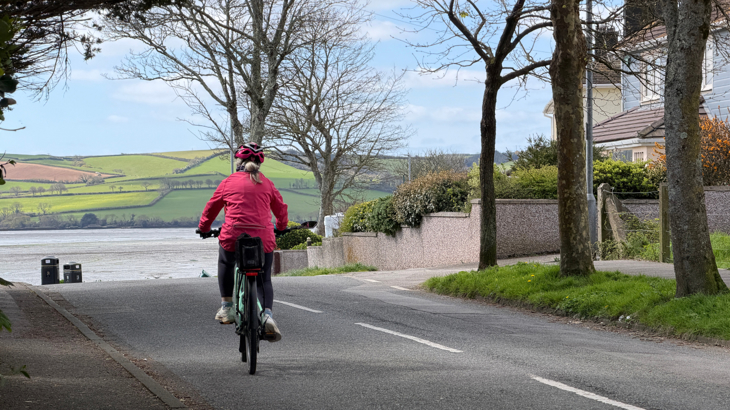
A Local Cycling and Walking Infrastructure Plan could reshape how people on the Rame Peninsula travel. Credit: Walk Wheel Cycle Trust
The Rame Peninsula is also often referred to as Cornwall’s 'forgotten corner'.
Termed by author and historian Tony Carne, who released a book about the peninsula in 1980, the name has been used ever since.
And maybe rightly so — the Rame Peninsula is geographically remote and often forgotten by visitors flocking to Cornwall.
But it's home to vibrant coastal and rural communities.
While the area benefits from key transport links such as the Torpoint Ferry, Cremyll Ferry and local bus network, many residents face challenges when walking, wheeling or cycling due to fragmented routes, busy roads, missing links and accessibility barriers.
At the same time the area has significant potential.
Over the course of a year, we worked with Cornwall and Torpoint Town Council, local stakeholders and residents to develop a Local Cycling and Walking Infrastructure Plan (LCWIP) for the area.
The plan provides a long-term vision for creating a connected network of walking, wheeling and cycling routes.
The plan can help to improve access to jobs, schools, services and leisure opportunities, while supporting healthier lifestyles, sustainable tourism and future growth across the peninsula.
Together we change how our communities travel, helping people to walk, wheel and cycle for more of their everyday journeys
Based across the UK, with the shared ethos and passion for active travel, we make it easier to walk, wheel and cycle by creating healthy, sociable, accessible and inspiring places with and for communities.
We transform urban areas into vibrant, enjoyable places that enhance the overall quality of life, providing a sense of belonging and security for everyone.
Find out more about our Infrastructure, urban design and planning service offer.

More than 100 people took part in our public period; sharing their experiences of walking, wheeling and cycling in their area. Credit: Walk Wheel Cycle Trust
What is a Local Cycling and Walking Infrastructure Plan?
A Local Cycling and Walking Infrastructure Plan (LCWIPs), as set out in the Government’s Cycling and Walking Investment Strategy (CWIS3), is a strategic approach to identifying cycling and walking infrastructure improvements required at a local level.
It enables a long term approach to developing a network of routes for cycling and walking, often over a 10-year period, and form a vital part of the government’s strategy to increase the number of trips made on foot or by cycle.
This LCWIP report includes five prioritised walking and cycling routes:
Background Study and Methodology.
Co Discover and Co Design engagement activities.
Local Cycling and Walking Infrastructure Plan.
Prioritised routes and feasibility recommendations for these plus cost estimates.
Next steps.
Building the foundations for active travel
Following project confirmation with Cornwall Council in August 2025, we got straight to work and connected with Torpoint Town Council, local stakeholders and the wider community to make sure as many voices as possible were heard.
More than 100 people took part in our public engagement period in November, sharing their experiences of walking, wheeling and cycling in the area, including the challenges they face and the opportunities they’d like to see explored.
We then brought all of that local insight together through a detailed desktop analysis, mapping community feedback alongside existing transport networks and population data.
This evidence-led approach helped shape the first draft of a proposed active travel network, creating a strong foundation for the next stage of the project.

Engaging the community in the co-design process helped shape a plan that works for everyone. Credit: Walk Wheel Cycle Trust
Co-designing a network that works for everyone
In March 2026, we teamed up with participants from Oakwood College to carry out an accessibility audit, helping us better understand how people of all abilities experience the local network.
We then returned to the community for a second round of engagement, hosting events in village halls, colleges and local markets.
People shared with us which routes they think should be prioritised and what improvements could be done to walking, wheeling and cycling safer, more accessible and more enjoyable.
To build an even deeper understanding, our team sat down with volunteer participants to talk about their everyday journeys.
From school runs and commutes to trips into town, we listened to their experiences of getting around the area, the challenges they face and the changes they'd like to see.
With everything gathered, it was now time to bring it all together into a final vision for the future.
By combining route audits, community feedback, accessibility insights and feasibility assessments, we developed a final walking, wheeling and cycling network plan that reflects local priorities and identifies where investment can deliver the greatest impact.

The final walking and cycling network proposes a connected active travel network that is based on what people need. Credit: Walk Wheel Cycle Trust
Case study: making cycling accessible for everyone
Lynn, local Breeze ride leader, runs cycle rides for local women and cycle confidence sessions, particularly with older women that are returning to cycling.
The Breeze network is British Cycling’s exciting recreation programme to get more women riding a bike.
We asked Lynn what challenges they currently face when walking, wheeling and cycling.
"I’m very committed to getting more women cycling but it’s very limited trying to plan a route in the local area. The roads are so challenging and traffic on the main roads is a nightmare."
"When I’m running a confidence session, I stick mainly to the small, residential streets [...] or we’ll go over to Plymouth as they have a lot of cycle paths through parks. It’s much easier than trying to cycle here, but it means we’re not exploring our local area."
Lynn shares that she often meets people who would love to join her rides, but are too frightened.
"I just can’t persuade them to come and try", Lynn says. "It’s too big a barrier for them. They really want to, but they can’t."
When we asked Lynn how our plans are going to affect their every day journeys, she says: "I would feel a lot more confident as a cyclist, personally. And I would definitely feel more confident taking a new group of riders out on their first ride."
"If it was improved, even just around the Torpoint area, I think we’d get a lot more women cycling to places like the shops and the doctors. It would make Torpoint so much more accessible to local people."
Awaiting photo of Lynn
A network designed around people
Developing the LCWIP was about more than identifying infrastructure improvements.
From day one, we worked closely with Cornwall Council, local councils, community organisations, businesses and residents to understand the challenges people experience every day and the opportunities they see for the future.
By combining local knowledge with technical expertise, we developed a plan that reflects real experiences and responds to the needs of the communities it serves.
The LCWIP provides a clear, long-term vision for a more sustainable transport network across Torpoint and the Rame Peninsula.
It supports future growth, strengthens access to jobs and services, encourages sustainable tourism, and helps unlock future investment opportunities.
By continuing to deliver the routes and improvements identified in the LCWIP, partners can help create safer, more accessible and sustainable journeys responding directly to the needs of the people who live, work and travel across Torpoint and the Rame Peninsula.
Partner with us to create more change like this
Walk Wheel Cycle Trust works with partners like you to change how our communities travel, helping people to walk, wheel and cycle for more of their everyday journeys.
Together, we’re helping transform towns and cities into healthier, greener places that benefit communities and empower change.
Our Infrastructure, urban design and planning offer delivers a tailored package of interventions based on the specific needs of your local area.
When we change how we travel, we change everything. Our health. Our wellbeing. Our world.
Find out more about our Infrastructure, urban design and planning offer